
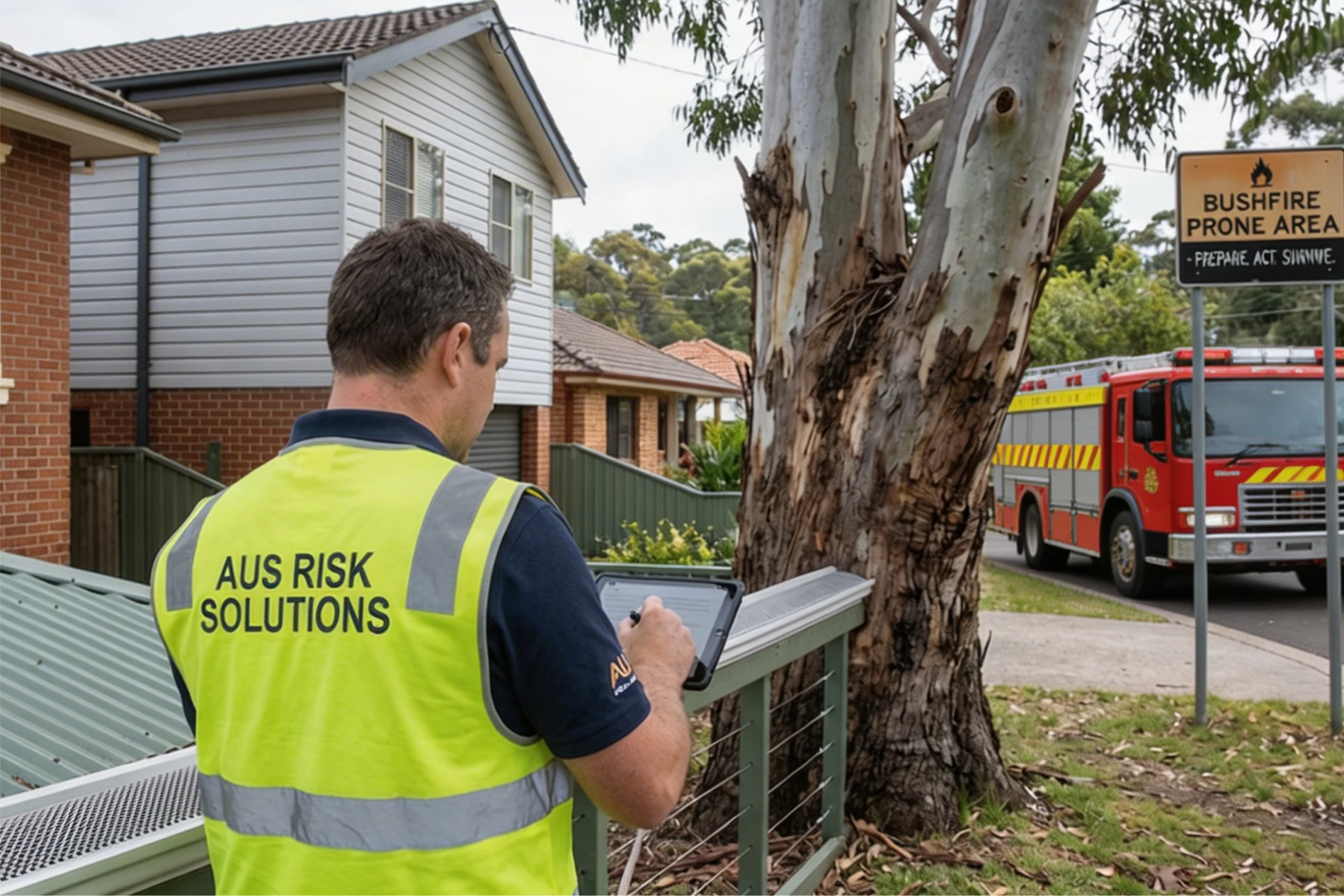
In today’s environment, property risk management is no longer a reactive exercise - it is a core component of investment strategy.
As the landscape of property insurance in Australia continues to evolve, investors are recognising that strong outcomes are not achieved through insurance alone, but through a combination of risk understanding, proactive management, and informed decision-making.
The most successful investors are those who don’t just insure their assets, they actively manage the risks that sit behind them.
Why Insurance Alone Is Not Enough
Insurance is designed to respond after an event occurs. Risk management, however, is what reduces the likelihood and severity of that event in the first place.
For investors holding investment property insurance, this distinction is critical. A well-structured policy is only as effective as the underlying risk profile of the asset.
By focusing on proactive property risk management, investors can not only reduce claims exposure but also improve their position when engaging with insurers - often leading to better coverage, broader terms, and more competitive pricing.
Understanding Your Property’s Risk Profile
Risk exposure varies significantly depending on how a property is used.
An office tenancy presents a very different risk profile compared to a manufacturing facility or logistics operation. Factors such as fire load, water exposure, equipment usage, and tenant activity all influence how a property should be insured.
It is also critical for investors to understand the distinction between strata vs landlord insurance.
· Strata insurance in Australia typically covers the building structure and common areas
· Landlord insurance in Australia focuses on income protection, tenant-related risks, and internal fixtures
Understanding how these policies interact ensures there are no gaps in coverage and that each risk is appropriately addressed.
The Role of Ongoing Education in Investment Performance
One of the most overlooked aspects of property risk management is education.
Effective investors do not review their insurance once a year - they continuously reassess their exposure as conditions change.
This includes:
· Reviewing rebuild costs against current market rates
· Reassessing indemnity periods based on contractor availability
· Understanding lease obligations and tenant responsibilities
· Monitoring changes in building use or tenant mix
For those managing portfolios, this level of engagement ensures that property insurance in Australia evolves alongside the asset, not behind it.
How Data and Technology Are Changing Insurance Outcomes
The modern insurance landscape is increasingly data-driven.
Today, brokers and insurers have access to advanced modelling tools that assess risk at a highly detailed level, including natural catastrophe exposure, crime patterns, construction type, and geographic risk factors.
By leveraging these insights, investors can better position their assets within the property insurance Australia market - aligning each property with insurers whose appetite and pricing models best match the risk profile.
This results in stronger submissions, improved insurer engagement, and more favourable outcomes at renewal.
The Power of Proactive Risk Management
One of the most effective tools available to investors today is the virtual risk survey.
This process connects a specialist risk engineer with a property representative to assess conditions in real time. Following the survey, investors receive a detailed report outlining practical improvements, from housekeeping and storage practices to risk controls around machinery and operations.
These actions directly reduce the likelihood of claims and strengthen the overall risk profile of the asset.
Importantly, demonstrating strong property risk management also enhances how insurers view the property - often leading to improved terms, broader coverage, and more competitive pricing across investment property insurance portfolios.
Market Trends Shaping Property Insurance in Australia
The current market is increasingly segmented.
Larger, well-managed assets are benefiting from increased insurer competition, improved terms, and greater flexibility in structure and deductibles.
However, smaller assets and portfolios continue to face tighter conditions, with upward pricing pressure and more selective underwriting.
This creates a clear advantage for investors who actively manage their risk and present their assets professionally within the property insurance in Australia market.
Strong Portfolios Are Built on Protection
The strongest investment portfolios are not just well acquired - they are well protected.
In a market where risks are evolving and conditions are tightening, proactive property risk management is what separates reactive investors from strategic ones.
By understanding risk, structuring insurance correctly, and continuously reviewing exposure, investors can protect income, preserve asset value, and position themselves for long-term success.









.webp)


